
Foaming vs Cream Cleanser: Which Should You Use?
Affiliate disclosure: This post contains affiliate links. As an Amazon Associate, we earn a small commission from qualifying purchases, at no extra cost to you. Prices and ratings change on Amazon — check the current details on the product page before you buy.
The short answer
Neither format is better skincare — they suit different skin. Foaming cleansers rinse clean and feel thorough, which suits oily and combination skin and people removing sunscreen and makeup residue in a second cleanse. Cream and non-foaming cleansers are gentler and less likely to leave skin tight, which suits dry and sensitive skin. The verdict test is simple: ten minutes after washing, comfortable skin means the format works for you; tight, squeaky skin means switch format or wash less often, whatever the label promised.
How each format works
Foaming cleansers use surfactants that lather to lift oil and residue; modern gentle versions exist alongside older, harsher ones, so foam itself is not the enemy — formula and frequency are. The Anua Heartleaf Quercetinol Pore Deep Cleansing Foam is this catalog’s foaming option, commonly used as the second step after a cleansing oil. Cream cleansers cleanse with little or no lather and leave more of the skin’s surface lipids in place; the CeraVe Hydrating Facial Cleanser is the catalog’s classic non-foaming example, made for normal to dry skin. Browse options in our cleansers collection.
Choose by skin type and season
Oily skin: a gentle foaming cleanser once or twice daily usually feels right, especially in summer. Dry skin: cream cleanser once daily in the evening, water rinse in the morning. Combination skin: either can work — many people use foam on the T-zone focus days and cream in winter when cheeks get dry. Sensitive skin: start with the cream format and short contact time; if a foam is preferred, judge it strictly by after-feel over a week. Season changes are a legitimate reason to own both and rotate.
Technique matters as much as format
Use lukewarm water, about 30 to 60 seconds of gentle massage, and pat dry — for both formats. Hot water and long scrubbing will make even a cream cleanser drying, and doubling a foaming wash because the first felt nice is a common route to tightness. If you wear makeup or water-resistant sunscreen, remove that first with a cleansing oil such as the Anua Heartleaf Pore Control Cleansing Oil, then use your format of choice as the second, shorter cleanse rather than washing twice with it.
Signs you chose wrong
Persistent tightness after washing, new flaking around the nose and mouth, or skin that feels oilier than usual by midday — which can happen when over-cleansed skin compensates — all suggest the current format or frequency is too much. Breakouts that clearly track a switch deserve the same response: revert to the previous product for two weeks and change one variable at a time. Cleanser is the cheapest step to experiment with and the easiest to correct.
Frequently asked questions
Is foaming cleanser bad for dry skin?
Not automatically, but dry skin usually finds cream formats more comfortable. Judge by how skin feels ten minutes after washing.
Can I use both a foaming and a cream cleanser?
Yes — many people rotate by season, time of day, or first vs second cleanse.
How long should I wash my face?
About 30 to 60 seconds with lukewarm water and gentle hands is enough for either format.
Shop the products in this article

Anua Heartleaf Quercetinol Pore Deep Cleansing Foam
Check Price on Amazon
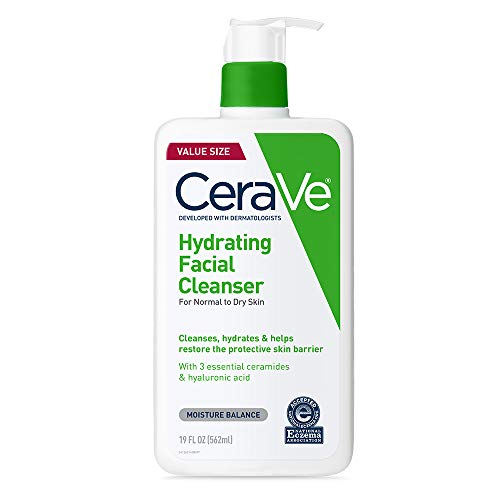
CeraVe Hydrating Facial Cleanser
Check Price on Amazon

Anua Heartleaf Pore Control Cleansing Oil
Check Price on Amazon