
Squalane vs Hyaluronic Acid: Which Hydrator Do You Need?
Affiliate disclosure: This post contains affiliate links. As an Amazon Associate, we earn a small commission from qualifying purchases, at no extra cost to you. Prices and ratings change on Amazon — check the current details on the product page before you buy.
The short answer
They hydrate differently and many routines use both. Hyaluronic acid is a humectant: it attracts and holds water on the skin surface and belongs on damp skin under a moisturizer. Squalane is an emollient oil: it softens, smooths, and helps reduce the feeling of dryness by sealing and conditioning. If skin feels tight and dehydrated, start with hyaluronic acid technique first. If skin feels rough, flaky, or uncomfortably dry despite drinking-water levels of humectants, a squalane layer or a squalane-containing serum may be the missing piece. They are partners more than rivals.
Hyaluronic acid: water first
Apply hyaluronic acid to slightly damp skin and seal it promptly with moisturizer, especially in dry air. The ClarityRx Daily Dose of Water Hyaluronic Acid Serum is listed as a hyaluronic acid serum for dry, dull skin. The ANUA Rice Ceramide 7 Hydrating Barrier Serum combines hyaluronic acid with rice extract and niacinamide in a barrier serum, showing how often it is blended with other hydrators. Used on dry skin without a sealing layer, hyaluronic acid can disappoint; used correctly, it is the lightest way to add water without oil. Our morning-or-night guide for hyaluronic acid covers timing and layering in full.
Squalane: softness and seal
Squalane is a lightweight, stable oil that mimics a component of skin own oils, which is why it feels familiar and non-greasy for many people compared with heavier oils. The Biossance Squalane + Copper Peptide Rapid Plumping Serum builds its serum around squalane plus copper peptide and hyaluronic acid, combining both hydrator families in one product. A few drops can be pressed over moisturizer as a final night step on dry zones, or a squalane serum can sit under cream. Start with a small amount; oil steps are easy to over-apply. Compare more serums in the serums & treatments collection.
Choosing by skin type and season
Oily and combination skin often prefers hyaluronic acid plus a light moisturizer, adding squalane only on dry patches if at all. Dry skin often benefits from both: humectant underneath, emollient on top. In humid summer weather many people drop the oil step; in heated winter air they restore it. There is no permanent verdict, only a current-season answer. Adjust one variable at a time and judge over a week of similar weather before deciding a product failed.
How to layer them together
Order: cleanse, hyaluronic acid on damp skin, any treatment serum, moisturizer, then squalane as an optional final press-on layer at night. In the morning, end with sunscreen instead of oil, since sunscreen must be the last, even layer. If products pill, reduce amounts and let each layer settle briefly. Keep the routine short enough to repeat daily; hydration is a daily habit, not an occasional mask event, for most skin.
A simple way to test which one you are missing
Run a two-week split test without buying anything new if you already own both types. In week one, use hyaluronic acid correctly, on damp skin sealed with moisturizer, and note morning comfort. In week two, add the squalane step at night and note the same measure. If week one already fixed the tight feeling, water was the missing piece and the oil is optional. If comfort only arrived in week two, surface sealing was the gap. Skin that still feels dry after both, applied correctly and consistently, may be dealing with a barrier or medical issue that layering cannot solve, which is a reason to simplify and seek professional advice.
Frequently asked questions
Can I use squalane and hyaluronic acid together?
Yes. Hyaluronic acid first on damp skin, squalane later as a sealing or softening step. Many formulas combine them.
Which is better for oily skin?
Usually hyaluronic acid with a light moisturizer. Add squalane sparingly only where skin feels dry.
Why did hyaluronic acid make me feel drier?
It was likely applied to dry skin or left unsealed. Reapply to damp skin and follow promptly with moisturizer.
Shop the products in this article
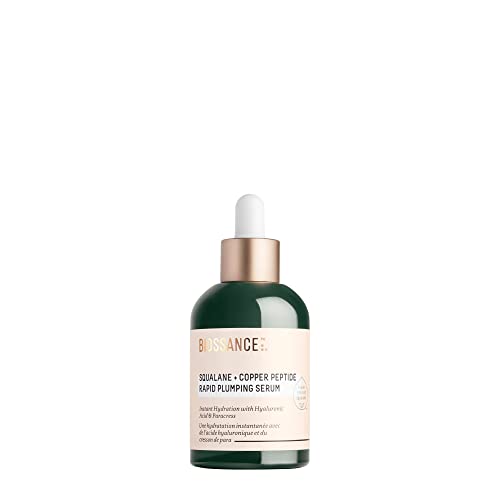
Biossance Squalane + Copper Peptide Rapid Plumping Serum
Check Price on Amazon
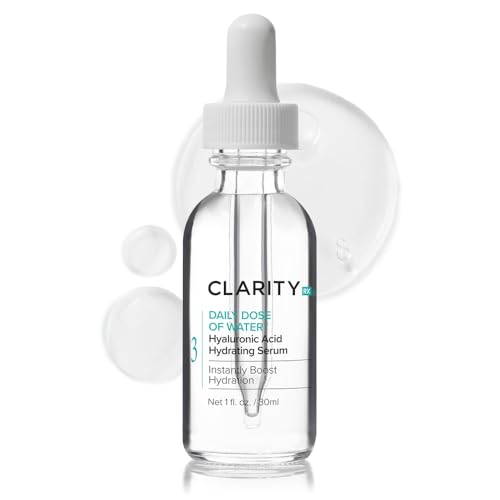
ClarityRx Daily Dose of Water Hyaluronic Acid Serum
Check Price on Amazon

ANUA Rice Ceramide 7 Hydrating Barrier Serum
Check Price on Amazon