
Hyaluronic Acid Serum for Dry Skin: How to Layer It
Affiliate disclosure: This post contains affiliate links. As an Amazon Associate, we earn a small commission from qualifying purchases, at no extra cost to you. Prices and ratings change on Amazon — check the current details on the product page before you buy.
The short answer
For dry skin, apply a hyaluronic acid serum to slightly damp skin right after cleansing, then seal it immediately with moisturizer; used on bone-dry skin or left unsealed, it commonly disappoints. Hyaluronic acid is a humectant, meaning it attracts and holds water at the skin surface, so the water has to be there, from damp skin or a mist, and the seal has to follow before it evaporates. Used with that technique, twice a day, it is one of the lightest ways to add hydration under a cream. It is a hydration step, not a moisturizer replacement, and dry skin still needs the cream layer on top.
Choosing a hyaluronic acid serum
The ClarityRx Daily Dose of Water Hyaluronic Acid Serum is listed as a hyaluronic acid serum for dry, dull skin, which is the straightforward single-focus format. A blended alternative is the ANUA Rice Ceramide 7 Hydrating Barrier Serum, which combines hyaluronic acid with rice extract and niacinamide in a hydrating barrier serum, so one bottle covers hydration plus barrier support. Neither listing promises a medical result; judge them by comfort and how your skin feels by the end of the day. Apply only one new serum at a time and give it at least two weeks before deciding. More options are in the serums & treatments collection.
The damp-skin technique
Cleanse, pat until skin is damp rather than dripping, apply a few drops of serum across face and neck, and follow with moisturizer within about a minute while the surface is still tacky. In very dry indoor air, this sealing speed matters most. If you use a second watery serum, apply the hyaluronic acid first or as directed on each label, keep total layers modest, and let each settle briefly to reduce pilling under sunscreen. At night you can be slightly more generous; in the morning keep layers thin so sunscreen applies in a smooth, even film.
When to add an emollient layer
If skin still feels rough or flaky with humectant plus cream, an emollient step may be the missing piece. The Biossance Squalane + Copper Peptide Rapid Plumping Serum builds its serum around squalane with copper peptide and hyaluronic acid, combining both hydrator families in one product. Our squalane versus hyaluronic acid guide explains the difference: humectants add water, emollients soften and seal. Dry skin in winter often needs both, while the same skin in humid summer weather may need only the humectant and a light cream. Adjust one variable at a time so you know which change helped.
Common mistakes that make it seem ineffective
The three usual mistakes are applying to completely dry skin, skipping the moisturizer seal, and judging after two days. A fourth is layering so many watery products that everything pills and gets wiped away with sunscreen. Keep the routine short: cleanser, hyaluronic acid on damp skin, moisturizer, sunscreen in the morning. Store serums away from heat and light and note the opening date. If dryness comes with cracking, itching, or rash that does not settle with a simple routine, see a dermatologist instead of adding more serums.
Frequently asked questions
Morning or night for hyaluronic acid?
Both work. Many dry routines use it twice daily. Our morning-or-night guide covers timing in more detail.
Why did my skin feel tighter after using it?
It was likely applied to dry skin or left unsealed. Reapply to damp skin and follow promptly with moisturizer.
Can I use it with retinol or vitamin C?
Yes, it is a hydrating layer commonly used alongside both. Introduce new actives separately so you can judge each one.
Shop the products in this article
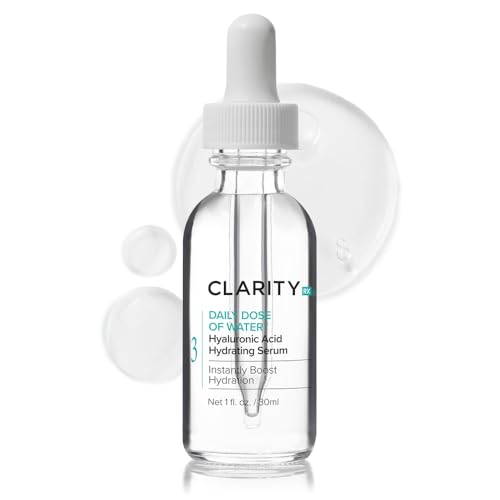
ClarityRx Daily Dose of Water Hyaluronic Acid Serum
Check Price on Amazon

ANUA Rice Ceramide 7 Hydrating Barrier Serum
Check Price on Amazon
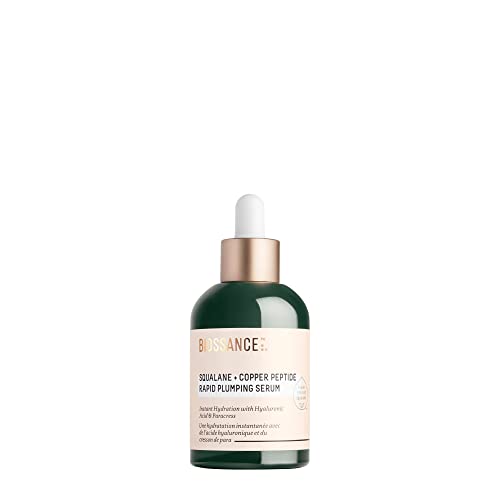
Biossance Squalane + Copper Peptide Rapid Plumping Serum
Check Price on Amazon