
Best Cleanser for Combination Skin: How to Choose
Affiliate disclosure: This post contains affiliate links. As an Amazon Associate, we earn a small commission from qualifying purchases, at no extra cost to you. Prices and ratings change on Amazon — check the current details on the product page before you buy.
The short answer
Combination skin needs a cleanser that removes sunscreen and excess oil from the T-zone without leaving cheeks tight. A gentle foaming wash used once or twice a day, with lukewarm water and about a minute of massage, suits most combination routines. If evenings involve water-resistant sunscreen or makeup, a first oil cleanse followed by the foam prevents the over-scrubbing that irritates cheeks. Judge a cleanser by how skin feels ten minutes after washing: clean and comfortable, not squeaky.
Foaming option for the T-zone
The Anua Heartleaf Quercetinol Pore Deep Cleansing Foam is listed as a pore deep cleansing foam with BHA, hyaluronic acid, and glycerin in its product title; read its page for directions. Foaming cleansers rinse clean, which combination skin usually prefers in the morning. Use a small amount, massage over the whole face rather than scrubbing only the T-zone, and rinse thoroughly. The full range is in the cleansers collection.
Cream option when cheeks run dry
The CeraVe Hydrating Facial Cleanser is listed as a moisturizing face wash for dry skin with hyaluronic acid, ceramides, and glycerin, for normal to dry skin. Some combination routines use the foam in summer and this gentler wash in winter, or the foam at night and a simple water rinse in the morning. That seasonal swap is normal; skin’s oil balance shifts with weather and indoor heating.
Evenings with sunscreen or makeup
Start with the Anua Heartleaf Pore Control Cleansing Oil, listed as an oil cleanser for face and makeup removal, massaged onto dry skin, then follow with your water-based cleanser. This two-step evening cleanse removes residue without a second harsh wash. If skin feels tight after cleansing, the wash is too strong or too frequent; if it feels filmy, rinse longer before blaming the product. Persistent breakouts or irritation deserve a dermatologist’s input.
A sample week for combination skin
On a normal morning, rinse with lukewarm water or use a small amount of your gentle cleanser, then moisturize and apply sunscreen. On an evening after a full day of sunscreen, start with the oil cleanse if residue remains, follow with the foaming wash, and moisturize while skin is slightly damp. On a day spent mostly indoors with no makeup and a morning rinse only, a single gentle evening wash is enough. Twice a week, pay attention rather than adding products: note whether cheeks or the T-zone complained more, and adjust only the next variable, such as morning washing frequency or evening double cleansing. Combination skin shifts with seasons, hormones, travel, and indoor heating, so a routine that flexes between a foam in summer and a creamier wash in winter is not inconsistency, it is calibration. What should stay constant is gentleness: no scrubbing, no hot water, and no tight, squeaky finish as the goal. If breakouts concentrate in one zone and persist or scar, that pattern deserves a dermatologist rather than a stronger cleanser.
Frequently asked questions
Should combination skin wash twice a day?
Usually yes in the evening, with mornings flexible: a gentle wash or a water rinse, depending on how skin feels on waking.
Do I need two different cleansers?
Not necessarily. One gentle foam plus an evening oil cleanse on sunscreen or makeup days covers most combination routines.
How do I know a cleanser is too harsh?
Skin feels tight, shiny-tight, or stings when moisturizer is applied. Switch to a gentler formula or wash less often.
Shop the products in this article

Anua Heartleaf Quercetinol Pore Deep Cleansing Foam
Check Price on Amazon
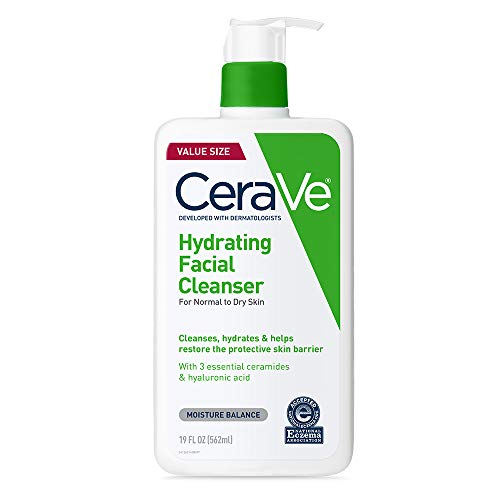
CeraVe Hydrating Facial Cleanser
Check Price on Amazon

Anua Heartleaf Pore Control Cleansing Oil
Check Price on Amazon