
Skincare Routine for Combination Skin: Step by Step
Affiliate disclosure: This post contains affiliate links. As an Amazon Associate, we earn a small commission from qualifying purchases, at no extra cost to you. Prices and ratings change on Amazon — check the current details on the product page before you buy.
The short answer
A combination-skin routine uses the same simple steps for the whole face, then adjusts the amount in each zone. Cleanse gently, apply a hydrating serum, moisturize lightly on the oily T-zone and a little more generously on drier cheeks, and finish with sunscreen in the morning. At night, repeat cleanse, serum, and moisturizer. You do not need two completely different routines for two zones — you need one balanced routine, applied with judgment, and kept consistent for at least two weeks before you change it.
How combination skin behaves
Combination skin usually means an oilier forehead, nose, and chin — the T-zone — with normal to drier cheeks. The balance shifts with weather, indoor heating, and season, so a routine that works in summer may need a slightly richer cheek layer in winter. The mistake to avoid is treating the whole face as oily, which can leave cheeks dry and tight, or treating the whole face as dry, which can leave the T-zone feeling heavy. The steps below keep the products the same and vary only the amount and placement.
Step 1: gentle cleansing, morning and evening
The CeraVe Hydrating Facial Cleanser is listed as a moisturizing face wash for dry skin with hyaluronic acid, ceramides, and glycerin, for normal to dry skin. Use lukewarm water, massage briefly over the whole face, and rinse. In the evening, cleanse fully to remove sunscreen. In the morning, a full gentle cleanse or a water rinse can both work — choose based on how your skin feels on waking. Skin should feel clean and comfortable afterward, not squeaky or tight. More cleanser options are in the cleansers collection.
Step 2: a hydrating serum for both zones
Apply the ANUA Rice Ceramide 7 Hydrating Barrier Serum while skin is still slightly damp. It is listed as a brightening, hydrating barrier serum with rice, hyaluronic acid, and niacinamide, and described as fragrance-free in its listing. A thin layer over the whole face works for combination skin because hydration is not the same as oil — drier cheeks get the water they need, and the T-zone gets a light layer that moisturizer will not have to overcompensate for. Let it settle briefly before the next step.
Step 3: moisturize by zone, not by product
Use one moisturizer, but apply it unevenly on purpose: a thinner layer across the forehead, nose, and chin, and a fuller layer on the cheeks and any area that feels tight. Browse the moisturizers & creams collection to compare textures, from lightweight lotions to richer creams, and choose based on how your cheeks feel by midday. If cheeks still feel dry an hour later, add a small second pass there only. If the T-zone looks shiny within an hour, reduce the amount there next time rather than skipping moisturizer entirely. At night, repeat the same zoning, with the cheek layer as the richest of the day if needed.
Step 4: sunscreen every morning
The BLUE LIZARD Sensitive Mineral Sunscreen SPF 50+ is listed as a sensitive mineral sunscreen with zinc oxide SPF 50, water-resistant UVA/UVB protection, and described as fragrance-free. Apply sunscreen as the final morning step, in the full amount recommended on the product label, over the whole face including the T-zone. Give moisturizer a moment to settle first so the sunscreen layer goes on evenly. Reapply as the label directs, especially after swimming or sweating, since it is listed as water-resistant rather than waterproof.
Adjusting the routine without rebuilding it
Change one variable at a time. In humid weather, thin the T-zone moisturizer first. In dry or heated indoor air, add richness to the cheeks first. Keep a short note of what you changed and when, and judge each change over a week or more. If you want to add an exfoliant or another active product later, introduce it separately and slowly, following its directions, rather than at the same time as a new cleanser or serum. If you develop persistent irritation, a rash, or breakouts that do not settle, stop the newest product and, if the problem continues, see a dermatologist.
Frequently asked questions
Do I need different products for my T-zone and cheeks?
Usually not. One gentle cleanser, one hydrating serum, and one moisturizer applied in different amounts by zone cover most combination routines.
Should combination skin skip moisturizer on the T-zone?
No. Use a thinner layer there instead. Skipping it entirely often leaves skin feeling tight underneath the oil.
How often should I cleanse?
Cleanse fully in the evening. In the morning, choose a gentle cleanse or a water rinse based on how skin feels on waking, and be consistent.
When will I know if the routine works?
Judge comfort and balance over at least two weeks of consistent use, adjusting only the moisturizer amount by zone in the meantime.
Shop the products in this article
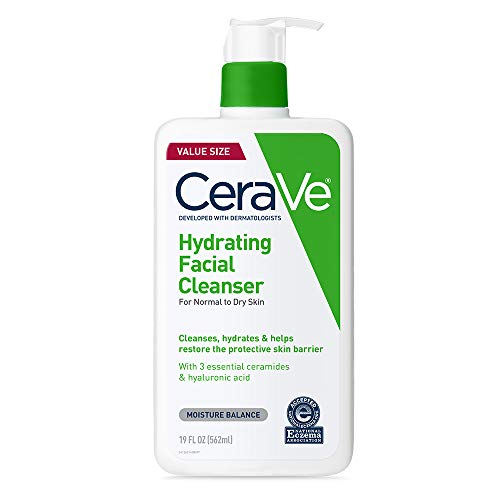
CeraVe Hydrating Facial Cleanser
Check Price on Amazon

ANUA Rice Ceramide 7 Hydrating Barrier Serum
Check Price on Amazon

BLUE LIZARD Sensitive Mineral Sunscreen SPF 50+
Check Price on Amazon