
Hyaluronic Acid vs Vitamin C Serum: Which Should You Use First?
Affiliate disclosure: This post contains affiliate links. As an Amazon Associate, we earn a small commission from qualifying purchases, at no extra cost to you. Prices and ratings change on Amazon — check the current details on the product page before you buy.
The short answer
They do different jobs, so the choice depends on your goal. Hyaluronic acid serums are hydrators: they add water to the surface of the skin and suit almost every routine, including sensitive and dry skin. Vitamin C serums are brightening steps: they are positioned for dark spots and a more even-looking complexion, and they suit readers whose main goal is brightness. If you use both, the common order is vitamin C first on clean dry skin in the morning, then the hydrating serum, then moisturizer and sunscreen — but using just one, consistently, is a perfectly good routine.
What a hyaluronic acid serum does in a routine
Hyaluronic acid is a humectant — an ingredient that draws and holds water at the skin’s surface. The ClarityRx Daily Dose of Water Hyaluronic Acid Serum is listed as a hyaluronic acid serum for dry, dull skin, described as a daily hydrating treatment and plant-based. Used on slightly damp skin and sealed with moisturizer, a serum like this addresses the tight, dull feeling that comes from dehydration rather than from a lack of oil. It layers easily, rarely conflicts with other steps, and can be used morning and night. For many beginners it is the safer first serum, because hydration supports every other goal a routine has. Compare hydrating options in the serums & treatments collection.
What a vitamin C serum does in a routine
The Eclat Skincare Vitamin C Face Serum is listed as a vitamin C serum with hyaluronic acid, ferulic acid, and vitamin E, positioned for dark spots and skin brightening. Note that its own listing combines both families — vitamin C for the brightening goal, with hyaluronic acid in the same formula — which shows the two are partners more than rivals. Vitamin C is usually a morning step, followed by moisturizer and sunscreen. It asks a little more of skin than a plain hydrator, so sensitive readers should patch test and start a few mornings a week rather than daily from the first day.
Which one should you buy first?
Buy by goal, not by trend. If your skin feels tight, looks dull after cleansing, or your moisturizer never seems like enough, start with the hydrating serum. If your skin is comfortable and hydrated but your goal is brightness and the look of dark spots, start with vitamin C. If your skin is sensitive, start with hydration and add brightness later — a calm, hydrated base tolerates brightening steps better. Readers who want the vitamin C family in a gentler format can also consider a moisturizer such as the Eight Saints Cloud Whip Vitamin C Moisturizer, listed as a vitamin C face moisturizer day cream, instead of a concentrated serum as the first step. The moisturizers & creams collection has more day cream options.
How to layer them if you use both
Morning order: cleanse, vitamin C on clean dry skin, wait a minute, hydrating serum, moisturizer, sunscreen. Night order, if you use the hydrator at night too: cleanse, hydrating serum on damp skin, moisturizer. Keep that order stable for at least two weeks before changing anything, and introduce the second serum at least a week after the first so you can tell how each one suits you. If layering both makes skin sting, separate them — vitamin C in the morning, hydrator at night — rather than forcing the combination.
Expectations for both
Hydration from a humectant serum is usually noticeable in comfort terms within days, because it is about water on the surface. Brightness and the look of dark spots change gradually over weeks of consistent use and daily sunscreen — without sunscreen, a brightening routine is working against itself. Neither serum is a medical treatment, and neither listing should be read as a promise. Judge each product the same way: can you use it consistently, does your skin stay comfortable, and does your overall routine feel easier to keep?
Frequently asked questions
Can I use hyaluronic acid and vitamin C together?
Yes, many routines do. Apply vitamin C first on dry skin in the morning, then the hydrating serum, then moisturizer and sunscreen.
Which is better for dry skin?
The hyaluronic acid serum, used on damp skin and sealed with moisturizer. It directly addresses surface dehydration.
Which is better for dark spots?
Vitamin C serums are the ones positioned for dark spots and brightening. Pair with daily sunscreen and judge over weeks, not days.
Do I need both serums?
No. One serum matched to your main goal, used consistently, is a complete and sensible routine choice.
Shop the products in this article
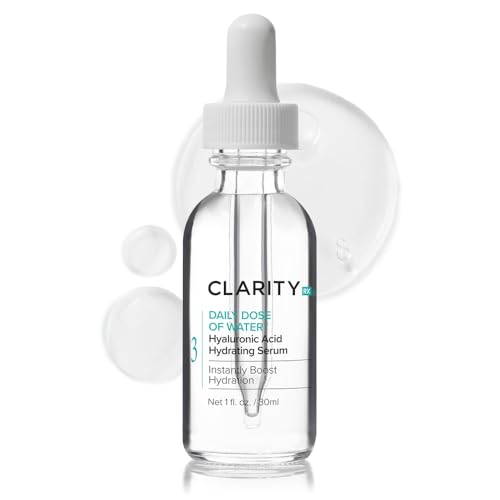
ClarityRx Daily Dose of Water Hyaluronic Acid Serum
Check Price on Amazon

Eclat Skincare Vitamin C Face Serum
Check Price on Amazon

Eight Saints Cloud Whip Vitamin C Moisturizer
Check Price on Amazon