
Retinol Serum for Dehydrated Skin: How to Start Without Drying Further
Affiliate disclosure: This post contains affiliate links. As an Amazon Associate, we earn a small commission from qualifying purchases, at no extra cost to you. Prices and ratings change on Amazon — check the current details on the product page before you buy.
The short answer
Dehydrated skin should fix hydration and barrier comfort before starting retinol, then start low and slow: a pea-sized amount at night, one to two nights a week at first, buffered with moisturizer, with sunscreen every morning. If skin is currently tight, flaky, or stinging with plain moisturizer, postpone retinol until the basic routine feels comfortable for at least two weeks.
The CeraVe Anti Aging Retinol Serum is listed as an encapsulated retinol serum with hyaluronic acid, niacinamide and ceramides, described as fragrance-free in its listing. Browse the anti-aging serums collection for options and read each listing in full before choosing.
Dehydrated is a temporary state, not a skin type
Dehydrated skin lacks water and can feel tight yet look shiny, with makeup settling into fine lines. The fix sequence is water first: gentle cleansing, humectant serum on damp skin, and a moisturizer to seal it. Retinol does not hydrate; starting it on dehydrated skin often adds dryness before any benefit is visible.
The ClarityRx Daily Dose of Water Hyaluronic Acid Serum is listed as a hyaluronic acid hydrating serum treatment for dry, dull skin in its listing. A hydrating layer like that belongs in the routine before and alongside any later retinol use, applied to damp skin and sealed with cream.
The sandwich method for a cautious start
Evening on retinol nights: cleanse, moisturizer thin layer, retinol pea-sized amount once skin is dry, then moisturizer again. On other nights, focus only on hydration. The Eucerin Q10 Anti-Wrinkle Night Cream + Pro-Retinol is listed as a night cream for sensitive skin in its listing — note that a retinol night cream and a retinol serum are alternatives in a routine, not layers to stack on the same night when you are starting out.
Increase frequency only when skin stays comfortable for two full weeks at the current pace. Mild dryness is a signal to slow down and add moisturizer, not to push through burning or peeling.
What to pair and what to pause
Pair retinol with a boring, reliable base: gentle cleanser, hydrating serum, ceramide moisturizer, sunscreen. Pause strong exfoliants and new actives while you adjust. Judge progress over twelve weeks of tolerated use, not twelve days. Keep a simple log of retinol nights and morning comfort — dehydrated skin feedback is easy to misremember.
Retinol is not for everyone and specific concerns deserve professional advice. If irritation persists despite buffering and spacing, stop and reassess.
Frequently asked questions
Can dehydrated skin use retinol at all?
Yes, after hydration is stable. Starting on tight, stinging skin is the most common reason people quit too early.
Should I apply retinol to damp skin?
No. Apply to dry skin to reduce the chance of irritation, and buffer with moisturizer if you are cautious.
How long until I increase frequency?
At least two comfortable weeks at each step. There is no prize for reaching nightly use quickly.
When should I see a dermatologist?
For persistent peeling, burning, or eczema-like reactions, or if you are unsure whether retinol suits your skin.
Shop the products in this article

CeraVe Anti Aging Retinol Serum
Check Price on Amazon
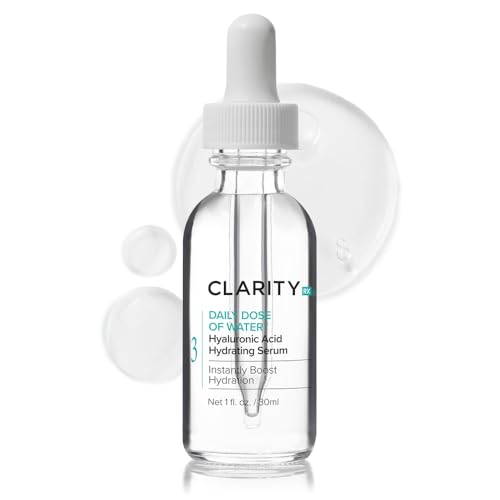
ClarityRx Daily Dose of Water Hyaluronic Acid Serum
Check Price on Amazon

Eucerin Q10 Anti-Wrinkle Night Cream + Pro-Retinol
Check Price on Amazon