
Best Anti-Aging Serum for Fine Lines: How to Choose
Affiliate disclosure: This post contains affiliate links. As an Amazon Associate, we earn a small commission from qualifying purchases, at no extra cost to you. Prices and ratings change on Amazon — check the current details on the product page before you buy.
The short answer
For fine lines, choose a serum by its active ingredient, not its promises: retinol at night is the best-supported starting point for most adults; peptides are the gentler daily option; vitamin C in the morning supports tone and brightness alongside sunscreen. Match the choice to your tolerance — a strong serum used twice and abandoned does nothing, while a moderate one used nightly for three months does visible work. Expect gradual softening of the look of lines over 8 to 12 weeks, not erasure, and judge with monthly photos in the same light.
Retinol: the benchmark option
The CeraVe Anti Aging Retinol Serum shows the modern retinol pattern: encapsulated retinol with hyaluronic acid, niacinamide and ceramides in a fragrance-free serum aimed at smoothing the look of wrinkles and fine lines while supporting the barrier. Start two or three nights a week on dry skin, build slowly, and pair with moisturizer — our retinol-for-beginners guide has the full ramp. Retinol is night-only and demands daily sunscreen. It is not used during pregnancy; ask your clinician about alternatives if that applies. For many readers this single, patient step is the highest-value anti-aging move available.
Peptides: the gentler daily route
If retinol irritates you despite a slow start, peptides are the usual next step. The Biossance Squalane + Copper Peptide Rapid Plumping Serum pairs squalane with copper peptides and hyaluronic acid and is positioned for the look of plumping and firming and for fine lines and wrinkles. The DRMTLGY Needle-less Serum combines niacinamide with hyaluronic acid, peptides and ceramides. Peptide serums are typically used morning or night without retinol’s adjustment period, which makes them easier to sustain — and sustainability is a genuine effectiveness factor. Compare peptide and retinol options side by side in our anti-aging serums collection.
Vitamin C and supporting serums
Fine lines rarely travel alone; dullness and uneven tone make them look worse. A morning vitamin C serum — the Eclat formula with ferulic acid and vitamin E is the catalog example — addresses brightness while sunscreen prevents new sun-related change. Hydrating serums matter too: lines look deeper on dehydrated skin, so a hyaluronic acid layer under moisturizer can soften their appearance the same day, even though that effect is temporary and maintenance-based. A complete fine-line routine is usually three coordinated steps — vitamin C by day, retinol or peptides by night, sunscreen always — not one miracle bottle.
How to judge a serum before buying
Use this checklist: 1) Named actives — does the listing say what is in it? 2) A routine slot — will it replace or duplicate something you own? 3) Tolerance fit — fragrance-free and barrier-supporting if you are sensitive. 4) Honest wording — listings that promise the look of improvement over weeks deserve more trust than listings promising transformation. 5) Cost per month of use at the directed amount. Run every candidate, at any price, through the same five questions, and price stops being a proxy for quality. Our guide to whether expensive wrinkle creams are worth it applies the same logic to creams.
Give it time, and measure honestly
Serums for fine lines are judged in months. Commit to one primary active for at least 8 to 12 weeks, keep the rest of the routine stable, photograph monthly in identical light, and note tolerance in a simple log. If lines are deep, rapidly changing, or accompanied by sagging that bothers you, a dermatologist can explain what topicals can and cannot do and what other options exist. That honest ceiling is part of choosing well: the best serum is the one whose realistic result matches the result you actually want.
Frequently asked questions
What is the single best serum ingredient for fine lines?
Retinol has the longest track record and is the usual first choice at night. Peptides are the gentler alternative if retinol is not tolerated.
How long until an anti-aging serum works?
Judge over 8 to 12 weeks of consistent use. Hydration effects are faster but temporary; changes in the look of lines take months.
Can I use two anti-aging serums?
Yes — commonly vitamin C in the morning and retinol at night. Introduce one at a time, weeks apart, so you can identify any irritant.
Shop the products in this article

CeraVe Anti Aging Retinol Serum
Check Price on Amazon
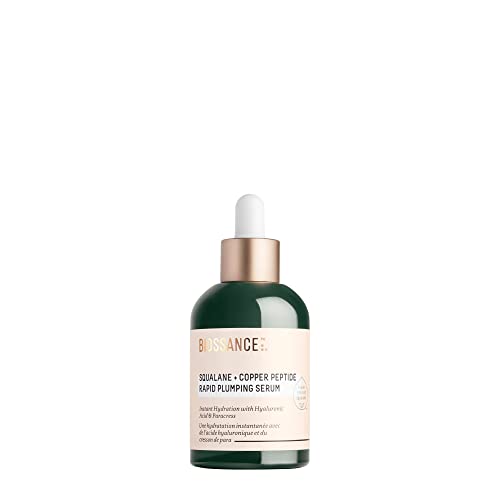
Biossance Squalane + Copper Peptide Rapid Plumping Serum
Check Price on Amazon

DRMTLGY Needle-less Serum
Check Price on Amazon

Eclat Skincare Vitamin C Face Serum
Check Price on Amazon