
Ceramide vs Hyaluronic Acid: What Is the Difference?
Affiliate disclosure: This post contains affiliate links. As an Amazon Associate, we earn a small commission from qualifying purchases, at no extra cost to you. Prices and ratings change on Amazon — check the current details on the product page before you buy.
The short answer
They do opposite, complementary jobs. Hyaluronic acid is a humectant: it attracts and holds water at the skin’s surface, making skin look temporarily plumper and feel more hydrated. Ceramides are lipids — fats that are a natural part of the skin barrier itself — and they help that barrier hold water in and keep irritants out. Dehydrated skin needs water added (hyaluronic acid); a weak, leaky, reactive barrier needs its mortar repaired (ceramides). Most routines benefit from both, which is why so many good formulas combine them.
Hyaluronic acid: what it does and how to use it
Hyaluronic acid works best applied to slightly damp skin and sealed with a moisturizer; on dry skin in a dry climate it has less water to draw on, which is why the sealing step matters. A dedicated serum like the ClarityRx Daily Dose of Water Hyaluronic Acid Serum is the straightforward way to add it as a step, and it layers under almost everything because it is generally well tolerated and does not compete with stronger actives. Temporary surface plumping is the honest promise: fine lines look softer when the surface is hydrated, and return when it dries out — hydration is maintenance, not a permanent change.
Ceramides: what they do and who needs them most
Ceramides are the priority ingredient when skin is dry, tight, flaky, red, or suddenly sensitive to products it used to tolerate — the classic signs of a stressed barrier, covered in depth in our skin-barrier repair guide. The ANUA Rice Ceramide 7 Hydrating Barrier Serum pairs ceramides with rice extract, hyaluronic acid, and niacinamide in a fragrance-free barrier serum, and the AESTURA ATOBARRIER365 Cream is a ceramide cream built for dry, sensitive skin and barrier support. CeraVe’s formulas are also built around three essential ceramides — the CeraVe Moisturizing Cream is the heavy-duty option for very dry skin. If you use retinol or exfoliating acids, ceramides are the support act that helps you tolerate them.
How to combine them in one routine
Order: hyaluronic acid serum on damp skin first (it is thin and water-based), then a ceramide-containing serum or cream to seal. Or skip the layering decision entirely by choosing products that already combine both, as the ANUA Rice Ceramide serum does. There is no conflict between the two ingredients and no timing rule like there is with stronger actives — use them morning, night, or both, and lean harder on ceramides in winter, during retinol ramp-ups, and any week your skin feels reactive. Browse both families in our serums & treatments collection. If dryness and reactivity persist despite gentle care, see a dermatologist — barrier problems sometimes have causes products cannot fix.
Reading labels: how to spot each ingredient
On an ingredient list, hyaluronic acid appears as ‘hyaluronic acid’ or ‘sodium hyaluronate’ — the salt form used in many serums. Ceramides appear as ceramide NP, AP, EOP, NS, or AS, sometimes listed by older names such as ceramide 1, 3, or 6-II; CeraVe’s listings describe their blend exactly that way, as three essential ceramides (1, 3, 6-II). You do not need a chemistry degree to shop well: look for one humectant (hyaluronic acid, glycerin) and one barrier lipid (a ceramide, cholesterol, squalane) somewhere in your routine, in any products, and you have covered the partnership this article describes.
Frequently asked questions
Which is better for dry skin?
Dry skin usually needs both, but if you buy one thing first, make it a ceramide cream: dry skin lacks the barrier lipids that keep water in, so adding water without sealing it does not last.
Can hyaluronic acid dry skin out?
Applied to dry skin in dry air and left unsealed, it can underperform and skin may feel tight. Apply to damp skin and follow with moisturizer and the problem disappears for most people.
Are ceramides safe with retinol?
Yes — they are one of the best partners for retinol, because they support the barrier while retinol does its work. Many retinol formulas, including CeraVe’s retinol serum, already include them.
Shop the products in this article
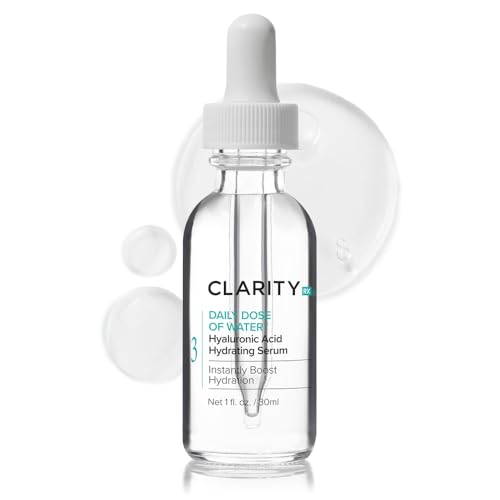
ClarityRx Daily Dose of Water Hyaluronic Acid Serum
Check Price on Amazon

ANUA Rice Ceramide 7 Hydrating Barrier Serum
Check Price on Amazon

AESTURA ATOBARRIER365 Cream
Check Price on Amazon

CeraVe Moisturizing Cream
Check Price on Amazon