
Collagen Jelly Cream for Dehydrated Skin: How to Use It
Affiliate disclosure: This post contains affiliate links. As an Amazon Associate, we earn a small commission from qualifying purchases, at no extra cost to you. Prices and ratings change on Amazon — check the current details on the product page before you buy.
The short answer
Dehydrated skin is skin that feels tight and looks dull despite drinking water and using moisturizer — it lacks water in the surface layers, which is different from dry skin lacking oil. A collagen jelly cream can fit a dehydrated routine as the moisturizer step, applied to slightly damp skin after a hydrating serum, but it works best as part of a simple sequence: gentle cleanse, hydrate, seal, and sunscreen in the morning. Do not judge it in two days; give a consistent routine several weeks, and keep every other step unchanged while you test it.
Start with the texture question. The medicube Collagen Jelly Cream is listed with niacinamide and freeze-dried hydrolyzed collagen, positioned in its listing for skin-barrier hydration and a firmer-looking finish, with no artificial color. A jelly texture suits dehydrated skin that dislikes heavy, greasy creams, because it can be layered in a thin coat in the morning and a slightly thicker coat at night. Browse the collagen jelly cream collection to compare formats before you commit to one jar.
Dehydrated is not the same as dry
Dehydrated skin can be oily, combination or dry underneath — the tightness and dullness come from water loss at the surface, often after over-cleansing, hot water, harsh exfoliation or dry indoor air. That distinction changes the fix: adding a heavier oil-rich cream alone may feel occlusive without addressing the water step underneath. The practical order is water first, then cream: a hydrating serum on damp skin, then the jelly cream over it while skin is still slightly damp.
Signs your routine, not the product, is the problem include tightness within an hour of moisturizing, makeup settling into fine lines that soften after a hydrating mist, and shine appearing alongside flaking. Those patterns point to application and layering, not to needing a stronger active. Simplify for two weeks before changing products again.
The layering order for dehydrated skin
Morning: lukewarm rinse or gentle cleanse, hydrating serum, jelly cream, sunscreen. The ClarityRx Daily Dose of Water Hyaluronic Acid Serum is listed as a hyaluronic acid hydrating serum treatment for dry, dull skin, which makes it a logical water step under the jelly cream rather than a second moisturizer layered on top of it. Evening: gentle cleanse, the same hydrating step, then a more generous layer of jelly cream as the final step.
Apply each layer while the previous one is still slightly tacky, not soaking wet and not fully dry. Use less in humid weather and slightly more in heated indoor air. If the cream pills under sunscreen, reduce the amount, wait a minute longer, or move the thicker layer to evenings only.
What to pause while you rehydrate
Pause strong exfoliants, new retinol and any scrub for the first one to two weeks. Dehydrated skin tolerates actives poorly, and reintroducing everything at once makes it impossible to tell what helped. Keep cleansing brief and lukewarm, avoid foaming washes that leave skin squeaky, and patch test the jelly cream first even though it is a moisturizer — dehydrated skin is often reactive skin as well.
If tightness persists despite a simple, consistent routine, look at the cleanser before the cream. The CeraVe Hydrating Facial Cleanser is listed as a moisturizing face wash for dry skin with hyaluronic acid, ceramides and glycerin, for normal to dry skin — a gentler wash often does more for dehydration than a second cream. See the cleansers collection for gentle options.
How long to give it, and when to get help
Surface hydration usually feels better within days when layering is right, but judge the routine over several weeks of consistent use, not a single good morning. Photographing skin in the same light weekly is a fairer check than daily mirror inspection. Stop any product that causes persistent stinging, swelling or a rash.
Skincare here is cosmetic maintenance, not treatment. Take painful cracking, oozing, a spreading rash, or any new or changing spot to a dermatologist promptly, and ask a clinician if dehydration-like symptoms persist despite a gentle routine — some skin conditions mimic simple dryness.
Frequently asked questions
Can dehydrated oily skin use a jelly cream?
Yes, as the moisturizer step in a thin layer. Jelly textures are often better tolerated by oily, dehydrated skin than heavy creams, especially at night over a hydrating serum.
Should I apply collagen jelly cream to wet or dry skin?
Slightly damp skin is the practical middle ground: pat off excess water, apply serum, then the cream while skin still feels a little damp.
How is dehydrated skin different from dry skin?
Dry skin lacks oil; dehydrated skin lacks water at the surface and can occur in any skin type, including oily skin. The routine response is hydration first, then a sealing cream.
When should I see a dermatologist?
For painful cracking, oozing, swelling, a spreading rash, or any concerning new or changing spot.
Shop the products in this article

medicube Collagen Jelly Cream
Check Price on Amazon
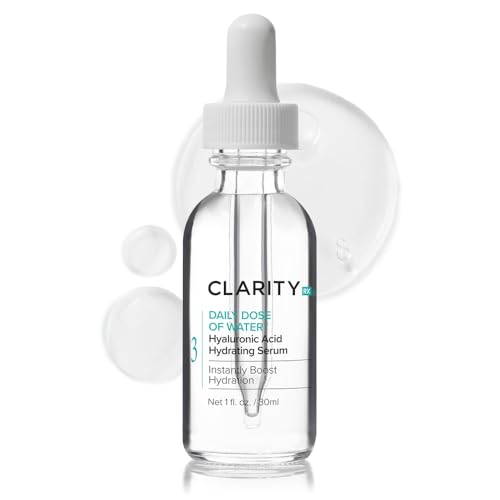
ClarityRx Daily Dose of Water Hyaluronic Acid Serum
Check Price on Amazon
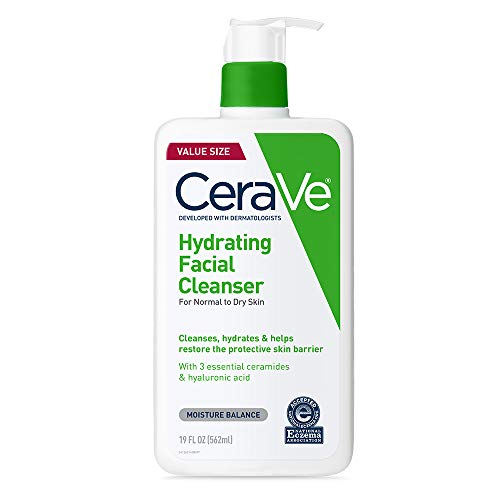
CeraVe Hydrating Facial Cleanser
Check Price on Amazon