
How to Build a Skincare Routine on a Budget: The Essentials Only
Affiliate disclosure: This post contains affiliate links. As an Amazon Associate, we earn a small commission from qualifying purchases, at no extra cost to you. Prices and ratings change on Amazon — check the current details on the product page before you buy.
The short answer
A budget skincare routine needs only three essentials: one gentle cleanser used morning and night, one moisturizer, and sunscreen during the day. Everything else — serums, toners, masks, and extra treatments — is optional and can wait. Save by choosing multi-use products, such as a moisturizer that works for face and body, using one cleanser for both routines instead of two, and finishing what you own before buying a replacement category. A short routine used consistently does more for your skin than a long routine you can only afford to keep up for a month.
Start with what a routine actually needs
Skincare marketing encourages a shelf of steps, but the structure of a routine is simple. Cleansing removes sunscreen, sweat, and the day without stripping skin. Moisturizing keeps skin comfortable after cleansing. Sunscreen is the daytime final step. Those three jobs cover the essentials for most people. Treatment serums can be useful for a specific goal, but they are additions, not foundations, and adding them before the basics are consistent rarely pays off. If you have a skin condition, persistent acne, a rash, or irritation that does not settle, put the budget toward seeing a dermatologist instead of toward more cosmetic products — that advice is general, and specific treatment decisions belong with a clinician who can see your skin.
Essential 1: one cleanser, twice a day
The CeraVe Hydrating Facial Cleanser is listed as a moisturizing face wash for dry skin with hyaluronic acid, ceramides, and glycerin, for normal to dry skin. The budget point is how it is used: one cleanser for both the morning and the evening routine, rather than a separate morning product and night product. In the morning, some people rinse with water only and save the cleanser for the evening, which makes a bottle last longer while still removing sunscreen fully at night. Use lukewarm water and a small amount — using double the amount does not clean twice as well. Compare other single-cleanser options in the cleansers collection.
Essential 2: a multi-use moisturizer
The CeraVe Moisturizing Cream is listed as a face and body moisturizer for normal to dry skin. That face-and-body positioning is exactly what makes a product good value in general terms: one container covers the face routine and dry areas on the body, instead of separate products for each. Apply it after cleansing, in an even layer, with a little extra on any area that feels tight. If a rich cream feels too heavy for daytime, use a thinner layer in the morning and a fuller layer at night — same product, different amounts — rather than buying a second daytime moisturizer.
Essential 3: a lighter night option only if you need it
The CeraVe PM Facial Moisturizing Lotion is listed as a night cream with hyaluronic acid and niacinamide, described as ultra-lightweight and oil-free. It is included as an example of a targeted swap, not a required extra: if your main moisturizer feels too rich at night, or you strongly prefer a lightweight lotion, one lighter option can replace — not join — the richer cream in the evening. The budget rule is substitution over addition. Every step you add should replace a step or solve a problem the current routine clearly has. Check the on sale collection when you are comparing essentials, and check the current details on each product page before you buy.
What to skip, delay, or use up first
Skip duplicate categories: two cleansers, two moisturizers for the same job, and several serums aimed at the same goal. Delay optional steps — toner, masks, and treatment serums — until the three essentials have been consistent for several weeks and you know exactly what you want the extra step to address. Use up what you already own before replacing it, unless it irritates your skin. Avoid buying a full new routine at once; buy one essential at a time as the old one runs out, which spreads the cost and makes it easier to tell whether a new product suits you. Store products as their labels direct and note opening dates, so nothing is wasted by expiring unused at the back of a cabinet.
A simple morning and night template
Morning: rinse or cleanse gently, apply moisturizer in a thin layer, then sunscreen as the final step. Night: cleanse fully, apply moisturizer in a fuller layer, and stop there. That is the whole routine. Keep it unchanged for at least two weeks, then review honestly: is skin comfortable, are you actually using sunscreen daily, and is any essential about to run out? Plan the replacement before it runs out so a gap does not push you into an impulse purchase. Value in skincare comes from consistency and fit, not from the length of the routine.
Frequently asked questions
What are the only products a beginner really needs?
A gentle cleanser, a moisturizer, and sunscreen for daytime. Add anything else later, one step at a time, for a specific reason.
Can one moisturizer work for face and body?
Yes, if it is listed that way. The moisturizer featured above is listed as a face and body moisturizer for normal to dry skin.
How can I make products last longer?
Use the amount directed, consider a water-only rinse some mornings, and finish one product before opening a similar one.
Should I buy a serum to save money later?
No. Serums are optional additions. Fund the essentials first and keep them consistent.
Shop the products in this article
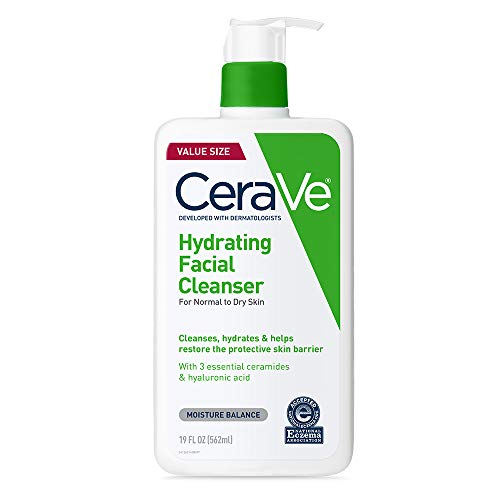
CeraVe Hydrating Facial Cleanser
Check Price on Amazon

CeraVe Moisturizing Cream
Check Price on Amazon

CeraVe PM Facial Moisturizing Lotion
Check Price on Amazon