
How to Exfoliate by Skin Type: A Gentle Guide
Affiliate disclosure: This post contains affiliate links. As an Amazon Associate, we earn a small commission from qualifying purchases, at no extra cost to you. Prices and ratings change on Amazon — check the current details on the product page before you buy.
The short answer
Exfoliate less often than marketing suggests: once or twice a week is enough for most people, with dry and sensitive skin at the once-a-week or less end and oily, resilient skin sometimes tolerating two to three sessions. Exfoliation removes built-up surface cells so skin looks smoother and products spread more evenly — but over-exfoliation is the far more common problem, showing up as stinging, redness, and a shiny-but-tight feeling. When in doubt, reduce frequency first. Nothing in this article is a treatment for any skin condition; persistent texture, bumps, or irritation deserve a dermatologist.
Choose the approach by skin type
Dry skin: gentle and infrequent — once a week at most, mild formulas, and moisturizer immediately afterward; skip exfoliation entirely during flaky, irritated spells and focus on barrier care instead. Sensitive skin: start with the gentlest option you can find, patch test, and stay at once a week or less; a soothing step such as the Aveeno Calm + Restore Triple Oat Serum is the kind of product people use on calm days, not layered over fresh exfoliation. Oily and combination skin: two sessions a week is a common ceiling, focused on oilier zones. Normal skin: once or twice a week, adjusted by season. Browse options in our serums and treatments collection.
Where exfoliation sits in the routine
Exfoliate in the evening, after cleansing and before moisturizer, on a night you do not also use retinol when you are starting out — alternating nights is the simplest way to avoid stacking irritation. Cleanse gently first: the CeraVe Hydrating Facial Cleanser for dry or sensitive skin, or the Anua Heartleaf Quercetinol Pore Deep Cleansing Foam as a second cleanse for oilier types. Follow with moisturizer while skin is calm and comfortable. In the morning after an exfoliation night, sunscreen matters even more than usual — freshly exfoliated skin is more sun-sensitive.
Signs you are overdoing it
Stinging when you apply plain moisturizer, redness that lasts into the next day, new sensitivity to products you previously tolerated, and breakouts appearing alongside tightness are all stop signals, not signs it is working. The fix is boring and effective: stop exfoliating and any other strong actives, run cleanser-moisturizer-sunscreen only for at least two weeks, and reintroduce one thing at a time at lower frequency. Our skin barrier repair guide covers that reset in detail.
What exfoliation cannot do
It does not shrink pores permanently, erase wrinkles, or clear medical acne, and scrubbing harder does not improve any honest outcome. Set the goal as smoother-feeling skin and more even makeup application over several weeks. Physical scrubs, if you use them, should be gentle with no sharp particles and no force — your hands do the work, not pressure. If texture concerns persist despite a calm, consistent routine, that is useful information to take to a clinician rather than a reason to exfoliate more.
Frequently asked questions
How often should beginners exfoliate?
Start once a week for two to three weeks. Only increase if skin stays calm, and never chase daily exfoliation as a beginner.
Can I exfoliate and use retinol on the same night?
When starting out, alternate nights instead. Combining them is a common route to irritation.
My moisturizer stings after exfoliating — what now?
That is an over-exfoliation signal. Stop actives, keep a simple routine for two weeks, and reintroduce slowly.
Shop the products in this article
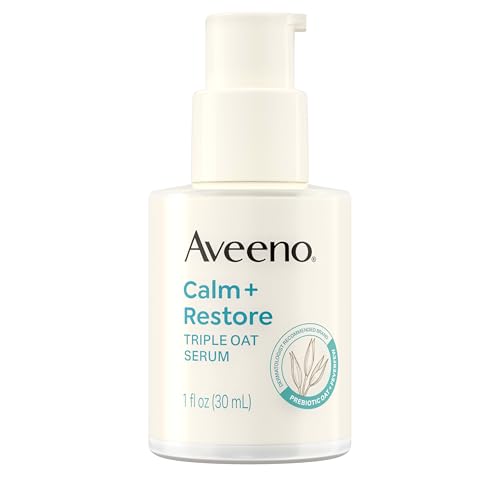
Aveeno Calm + Restore Triple Oat Serum
Check Price on Amazon
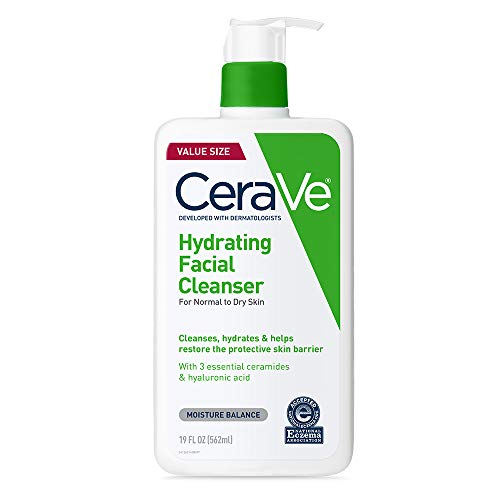
CeraVe Hydrating Facial Cleanser
Check Price on Amazon

Anua Heartleaf Quercetinol Pore Deep Cleansing Foam
Check Price on Amazon