
Hyaluronic Acid Serum: Morning or Night?
Affiliate disclosure: This post contains affiliate links. As an Amazon Associate, we earn a small commission from qualifying purchases, at no extra cost to you. Prices and ratings change on Amazon — check the current details on the product page before you buy.
The short answer
Either, and many people use it both times. Hyaluronic acid is a hydrator, not a photosensitive active, so there is no rule that confines it to one end of the day. Morning use helps skin feel comfortable under moisturizer, sunscreen, and makeup; nighttime use supports the repair-focused routine and pairs easily with stronger evening actives. The non-negotiables are technique: apply it to slightly damp skin and seal it with moisturizer, whichever time you choose. Frequency and layering matter more than the clock.
Morning: hydration under sunscreen and makeup
In the morning, apply hyaluronic acid after cleansing (or after a vitamin C serum if you use one) and before moisturizer and sunscreen. The ClarityRx Daily Dose of Water Hyaluronic Acid Serum is positioned in its listing as a daily hydrating serum for dry, dull skin, which is exactly the morning job: watery hydration first, cream to seal, SPF last. Give each layer a short moment to settle so sunscreen applies evenly on top and makeup does not pill.
Night: the flexible partner for actives
At night, hyaluronic acid is the peacemaker. It can sit under or over many evening products and is commonly used to buffer stronger ingredients. The ANUA Rice Ceramide 7 Hydrating Barrier Serum pairs hyaluronic acid with rice extract and niacinamide in a barrier-focused serum, while the COSRX 6X Peptide Collagen Booster Toner Serum combines hyaluronic acid with peptides and niacinamide in a booster format. Either style fits the evening slot after cleansing and before your night cream. Our guide to layering retinol and hyaluronic acid covers the most common nighttime pairing in detail.
The damp-skin rule
Hyaluronic acid attracts and holds water, so give it water to hold. Apply to skin that is still slightly damp from cleansing or a splash of water, then follow promptly with moisturizer, especially in dry climates or heated indoor air, where an unsealed hydrating serum can leave skin feeling tighter instead of plumper. That single technique change fixes most disappointing hyaluronic acid experiences. Browse more hydrators in our serums & treatments collection.
How much to use, and where it sits in the order
A pea-to-two-pea amount is enough for the face; hyaluronic acid serums spread easily on damp skin, and flooding the skin mostly wastes product and invites pilling under sunscreen or moisturizer. In the standard order it sits after cleansing and any thin treatment serums, and before creams: cleanse, treat, hydrate, seal, protect in the morning; cleanse, treat, hydrate, seal at night. If you use several watery products, apply them thinnest to thickest and give each a few seconds rather than mixing them in your palm, which dilutes strengths unpredictably. One more practical note: in very dry winter air, some people do better with hyaluronic acid only at night under a rich cream, and a simpler moisturizer-only morning. Your skins feedback over two weeks is a better guide than any fixed rule.
Frequently asked questions
Can I use hyaluronic acid twice a day?
Yes, it is generally well tolerated morning and night. Watch total layer count; more layers is not always better for reactive skin.
Does hyaluronic acid conflict with vitamin C or retinol?
No, it is one of the easiest ingredients to pair. It is commonly used alongside both, often as a comfort layer.
Why does my skin feel dry after hyaluronic acid?
Usually it was applied to dry skin and not sealed. Reapply to damp skin and follow with moisturizer.
Shop the products in this article
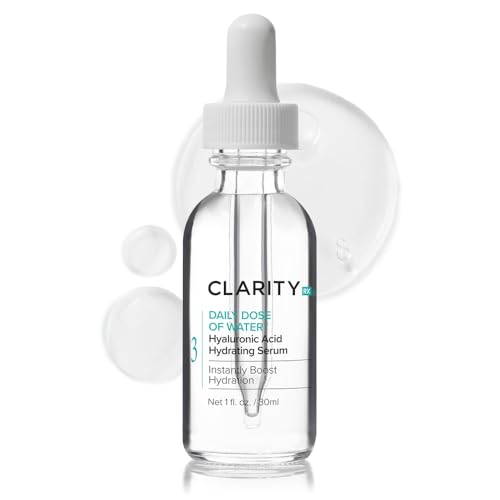
ClarityRx Daily Dose of Water Hyaluronic Acid Serum
Check Price on Amazon

ANUA Rice Ceramide 7 Hydrating Barrier Serum
Check Price on Amazon

COSRX 6X Peptide Collagen Booster Toner Serum
Check Price on Amazon