
Makeup Remover vs Cleanser: What Is the Difference?
Affiliate disclosure: This post contains affiliate links. As an Amazon Associate, we earn a small commission from qualifying purchases, at no extra cost to you. Prices and ratings change on Amazon — check the current details on the product page before you buy.
The short answer
They do different jobs in sequence. A makeup remover — including a cleansing oil or balm used as a first step — dissolves and lifts makeup, sunscreen and surface oil. A cleanser then washes the skin itself, removing the remover residue and what the day left behind. On a no-makeup, no-sunscreen day at home, cleanser alone is enough. On a day with makeup or water-resistant sunscreen, the two-step sequence is the reliable route, and it is gentler than scrubbing twice with cleanser alone, which is how many people end up with clean makeup and irritated skin.
How the first step works
An oil-based first step works because oils dissolve the oil-based films in makeup and sunscreen. The Anua Heartleaf Pore Control Cleansing Oil is this catalog first-step example, listed as an oil cleanser for face and makeup removal. Apply it to dry skin with dry hands, massage briefly so makeup visibly loosens, add a little water to emulsify, and rinse. Micellar waters and dedicated removers belong to this same first-step category for people who prefer them, especially for eye makeup, used gently without dragging the skin. Browse options in our cleansers collection.
How the second step works
The cleanser step is a short, gentle wash — about 30 to 60 seconds with lukewarm water — that leaves skin comfortable rather than squeaky. Follow the oil with a water-based cleanser such as the Anua Heartleaf Quercetinol Pore Deep Cleansing Foam, or, for dry and sensitive skin, the non-foaming CeraVe Hydrating Facial Cleanser. This is the step that actually cleans skin, so it is the one to keep even on days you skip the remover. If skin feels tight afterward, the cleanser or the wash time is too much, not too little.
A simple evening routine to copy
Dry hands, dry face: massage cleansing oil for under a minute, focusing where makeup and sunscreen build up. Add water, massage briefly as it turns milky, and rinse. Immediately follow with your cleanser for 30 to 60 seconds and rinse with lukewarm water. Pat dry and continue with any evening serum and moisturizer. In the morning, skip the remover entirely — a water rinse or a single gentle cleanse is enough, because there is no makeup or day sunscreen to remove.
Common mistakes to avoid
Using makeup remover alone and calling it cleansing leaves remover and dissolved makeup residue on skin overnight. Using cleanser alone with force — hot water, washcloths, double scrubbing — to remove heavy makeup trades residue for irritation. Removing eye makeup by rubbing causes more problems than the makeup did; let the remover sit for a few seconds and lift gently. And wipes are a travel compromise, not a daily system: fine occasionally, but they neither dissolve nor wash as thoroughly as the two steps above.
Frequently asked questions
Do I need both makeup remover and cleanser?
On makeup or sunscreen days, yes, in sequence. On bare-skin days at home, cleanser alone is enough.
Can a cleansing oil replace my cleanser?
It is best used as the first step, followed by a water-based cleanser that washes the skin itself.
What order do they go in?
Remover or cleansing oil first on dry skin, then cleanser, then the rest of your evening routine.
Shop the products in this article

Anua Heartleaf Pore Control Cleansing Oil
Check Price on Amazon

Anua Heartleaf Quercetinol Pore Deep Cleansing Foam
Check Price on Amazon
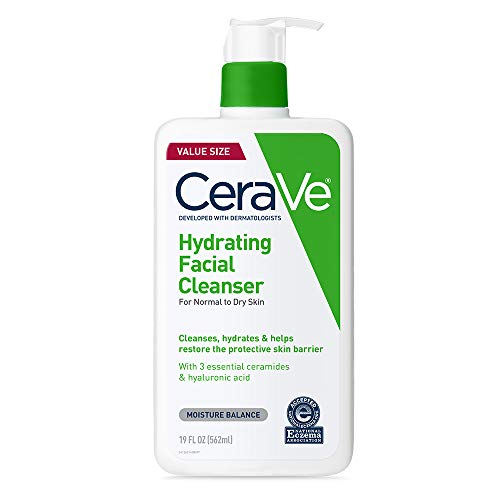
CeraVe Hydrating Facial Cleanser
Check Price on Amazon