
Skincare for Beginners: Where to Start
Affiliate disclosure: This post contains affiliate links. As an Amazon Associate, we earn a small commission from qualifying purchases, at no extra cost to you. Prices and ratings change on Amazon — check the current details on the product page before you buy.
The short answer
Start with three steps and nothing else for the first month: a gentle cleanser once a day in the evening, a moisturizer morning and night, and sunscreen every morning. That is a complete routine. It protects skin, supports the barrier, and — just as importantly — teaches you your own skin: how it feels washed and unwashed, moisturized and dry, calm and irritated. Every later addition, from a vitamin C serum to retinol, lands better on a beginner who knows their baseline. Resist starter kits with six steps; complexity is the main reason beginners quit or irritate their skin in the first fortnight.
Step one: a gentle cleanser
Choose one cleanser matched loosely to your skin type and use it in the evening to remove the day; most beginners can rinse with water in the morning. The CeraVe Hydrating Facial Cleanser is this catalog classic for normal to dry skin, while oilier beginners often prefer a gentle foaming option from the same cleansers collection. Wash for about 30 to 60 seconds with lukewarm water and your hands — no brushes or scrubs yet. Skin should feel comfortable afterward, not tight or squeaky; tightness is the first lesson that a product or a habit needs adjusting. Browse options in our cleansers collection.
Steps two and three: moisturizer and sunscreen
Your moisturizer is the comfort step: a cream such as CeraVe Moisturizing Cream for normal to dry skin, or a lighter lotion if you are oily. Apply about a pea-to-dime-sized amount morning and night. Sunscreen is the non-negotiable morning finish — about two finger lengths for face and neck, every day, over moisturizer once it settles. Beginners should pick a sunscreen texture they genuinely like wearing, because this single habit does more for how skin ages than any treatment added later. Browse options in our sunscreens and protection collection. Browse options in our moisturizers and creams collection.
What to add after the first month — and only if you want to
Add one thing, for one concern, and give it eight to twelve weeks. Dullness or uneven tone points to a morning vitamin C or niacinamide serum. Fine lines point to a nighttime retinol started slowly, a few nights a week. Dryness that survives moisturizer points to a hydrating serum under it, not a fifth moisturizer. If your three-step routine has skin calm and comfortable and your concern list is empty, adding nothing is also correct — skincare is maintenance and protection, not a collecting hobby, despite what social feeds suggest.
Beginner mistakes to skip entirely
Starting exfoliants, retinol and vitamin C in the same week; washing twice a day with a foaming cleanser because it feels productive; copying a ten-step routine built for different skin; and judging any product in under two weeks. Also skip DIY mixtures and any product promising fast transformation. Finally, learn the dermatologist signals early: a changing mole or spot, a rash that spreads, or irritation that does not settle after simplifying — those are medical appointments, not new-product occasions, at every level of experience.
Frequently asked questions
What are the only three products a beginner really needs?
A gentle cleanser, a moisturizer, and a daily sunscreen. Everything else is an optional later addition for a specific concern.
Should beginners use retinol?
Not in the first month. Build the basic routine first, then add retinol slowly at night only if fine lines are a concern.
How long before a beginner routine shows results?
Comfort and hydration improve within days to weeks. Judge treatment additions after eight to twelve weeks of consistent use.
Shop the products in this article
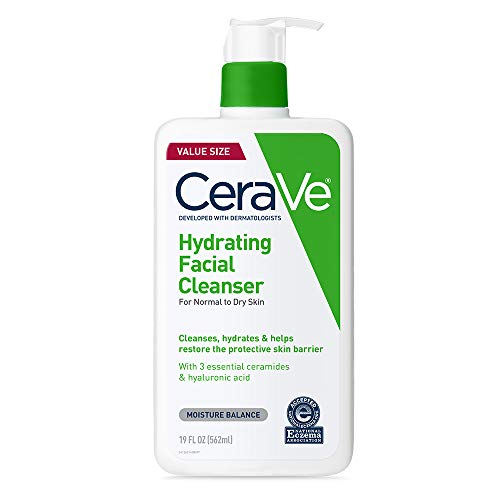
CeraVe Hydrating Facial Cleanser
Check Price on Amazon

CeraVe Moisturizing Cream
Check Price on Amazon

BLACK GIRL SUNSCREEN SPF 30
Check Price on Amazon