
Travel Skincare Routine Essentials: What to Pack
Affiliate disclosure: This post contains affiliate links. As an Amazon Associate, we earn a small commission from qualifying purchases, at no extra cost to you. Prices and ratings change on Amazon — check the current details on the product page before you buy.
The short answer
Pack the routine you already know works, in smaller amounts: cleanser, moisturizer, sunscreen, and your one current treatment if your skin already tolerates it well. Travel is the worst time to test new products — a reaction with no familiar products and no dermatologist nearby is miserable — and the worst time to take a break from sunscreen, since trips usually mean more outdoor time, not less. Decant into small clean containers or pack travel sizes of the same products, keep them in hand luggage where temperature is stable, and simplify to the basics on travel days themselves.
The core three, travel edition
Your cleanser and moisturizer should be the exact products from home — for readers of this catalog, think of the role filled by the CeraVe Hydrating Facial Cleanser and a moisturizer such as CeraVe PM Facial Moisturizing Lotion — decanted rather than replaced. Sunscreen deserves full-size thinking even in a small bag: trips burn through it quickly at the correct amount. One sunscreen in this catalog, Aveeno Protect + Hydrate SPF 60, is listed in a 3.0 fl oz travel size, which illustrates the format to look for. Browse options in our sunscreens and protection collection.
What to do about treatments on a trip
If you use a retinol or another strong treatment and your skin is fully used to it, you may pack it — but many experienced travelers deliberately pause strong actives on trips, because sun, dry cabin and hotel air, and changed water already stress skin, and a calm barrier travels better than a maximal routine. Never start a new treatment on a trip. Hydrating and barrier products are the safest travel upgrades: an extra moisturizer application on a flight day is a comfort measure with essentially no downside for most skin types.
In transit: flights and long drives
Airplane cabin air is dry, so moisturize before the flight and again on long hauls if skin feels tight; there is no need for elaborate in-seat routines. Window seats get real ultraviolet exposure at altitude, so sunscreen before a daytime window flight is sensible, as it is for long drives where one side of the face sits in sun for hours. Drink water normally, avoid trying the hotel’s fragranced amenities on your face, and keep your routine to cleanse, moisturize, protect until you are home and settled.
When you get home
Return to your normal routine exactly as it was — no detox, purge, or punishment exfoliation for trip skin. If skin is dry from travel, a few calm days of cleanser, moisturizer and sunscreen restore the baseline. If you burned, treat it gently, protect the area, and skip actives there until skin is fully calm. And unpack the lesson, not just the bag: whatever you forgot is what goes on the permanent packing list, and whatever you packed and never opened is what stays home next time.
Frequently asked questions
Should I start a new skincare product while traveling?
No. Pack products your skin already tolerates. A reaction away from home is much harder to manage.
Do I need sunscreen on a plane?
For a daytime window seat, yes — windows at altitude still let UVA through. For aisle seats the exposure is far lower.
Can I pause retinol during a trip?
Yes, many people do. Sun and dry travel air stress skin, and a calm, simple routine often travels better.
Shop the products in this article

Aveeno Protect + Hydrate SPF 60
Check Price on Amazon

CeraVe PM Facial Moisturizing Lotion
Check Price on Amazon
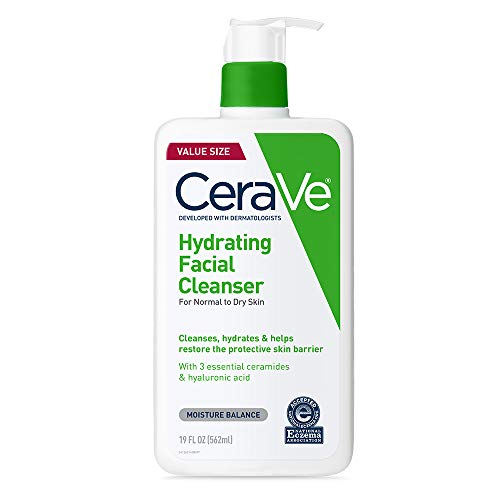
CeraVe Hydrating Facial Cleanser
Check Price on Amazon